Exploration · 2023
Pearlescent
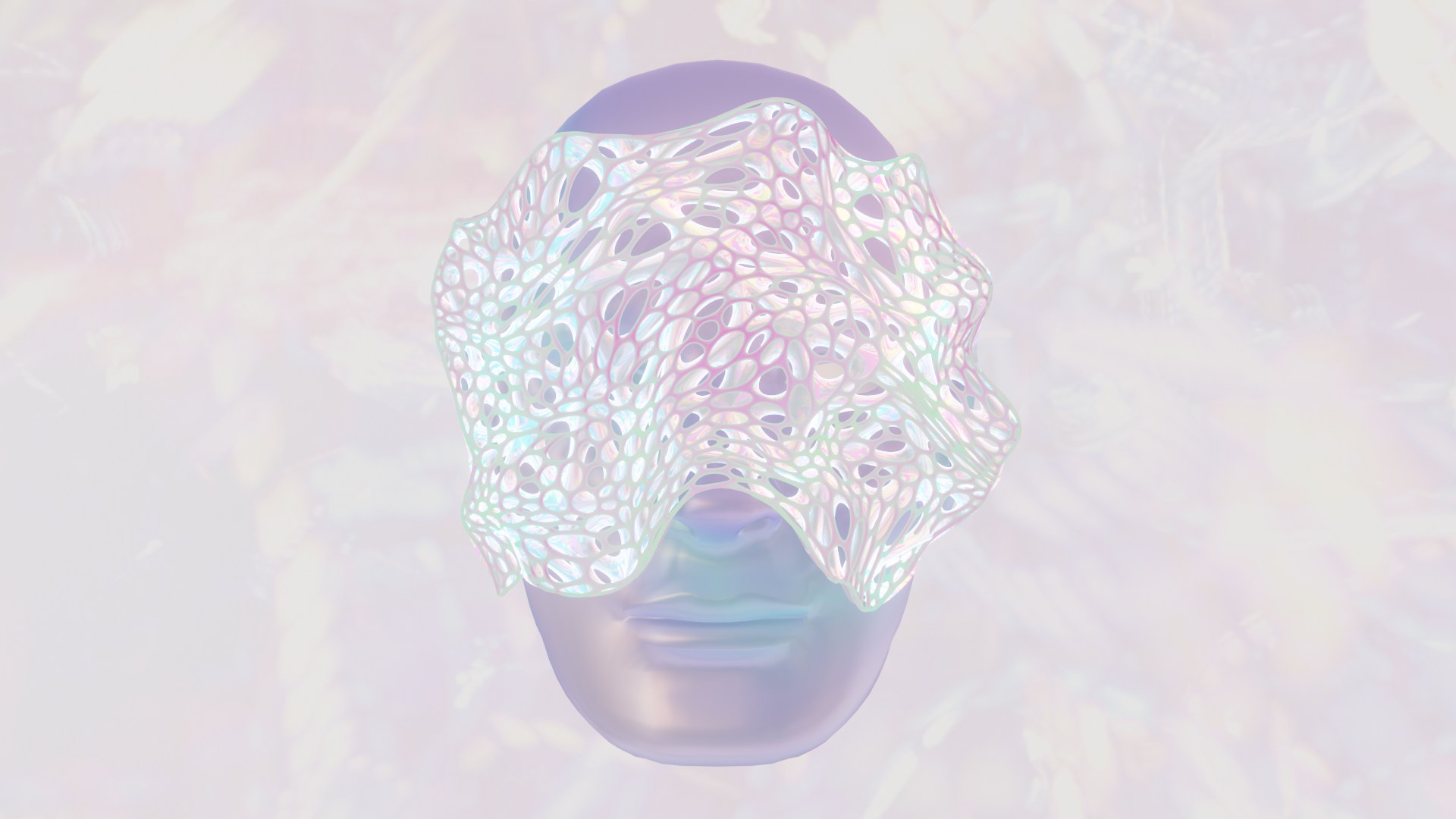
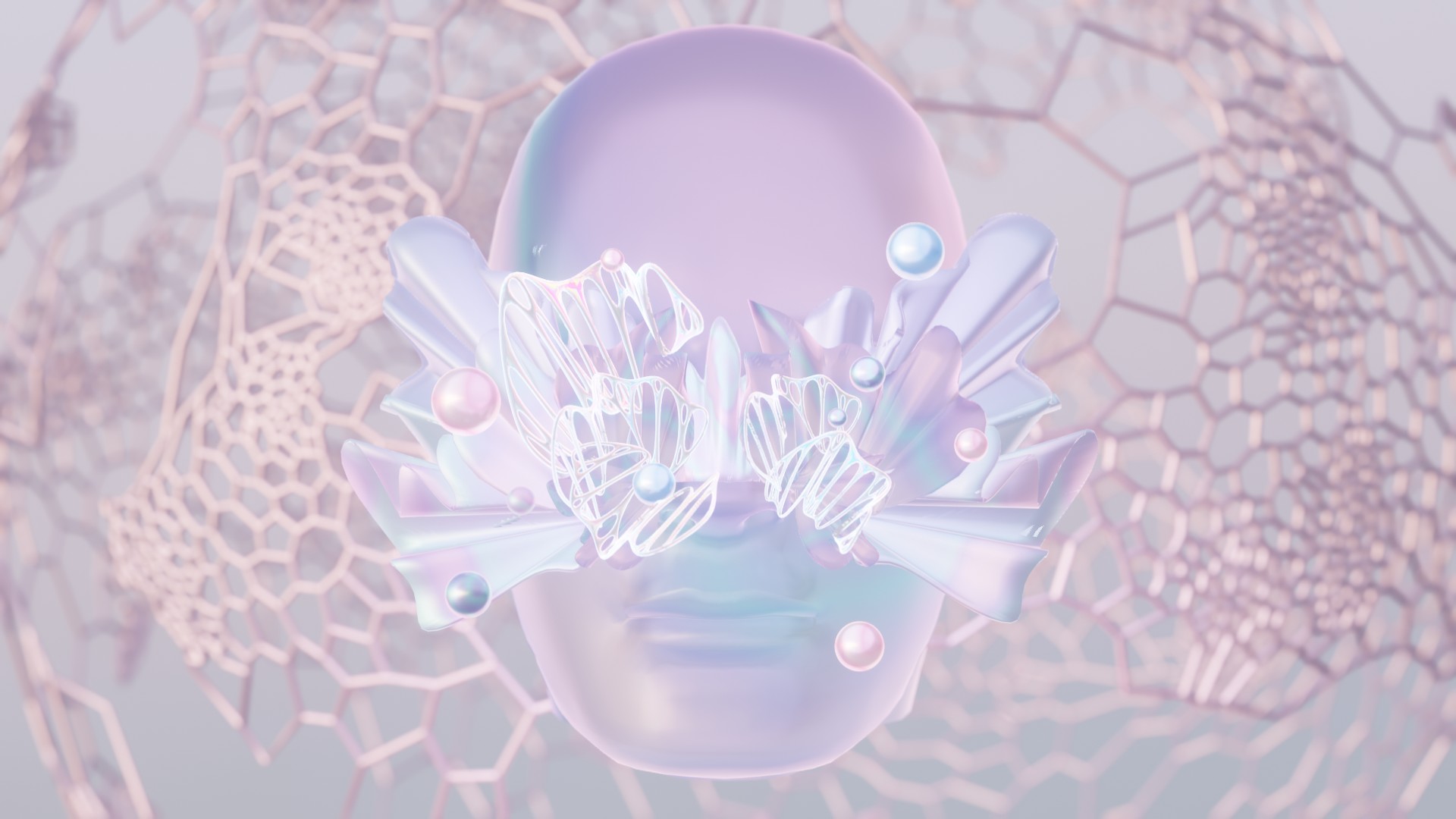
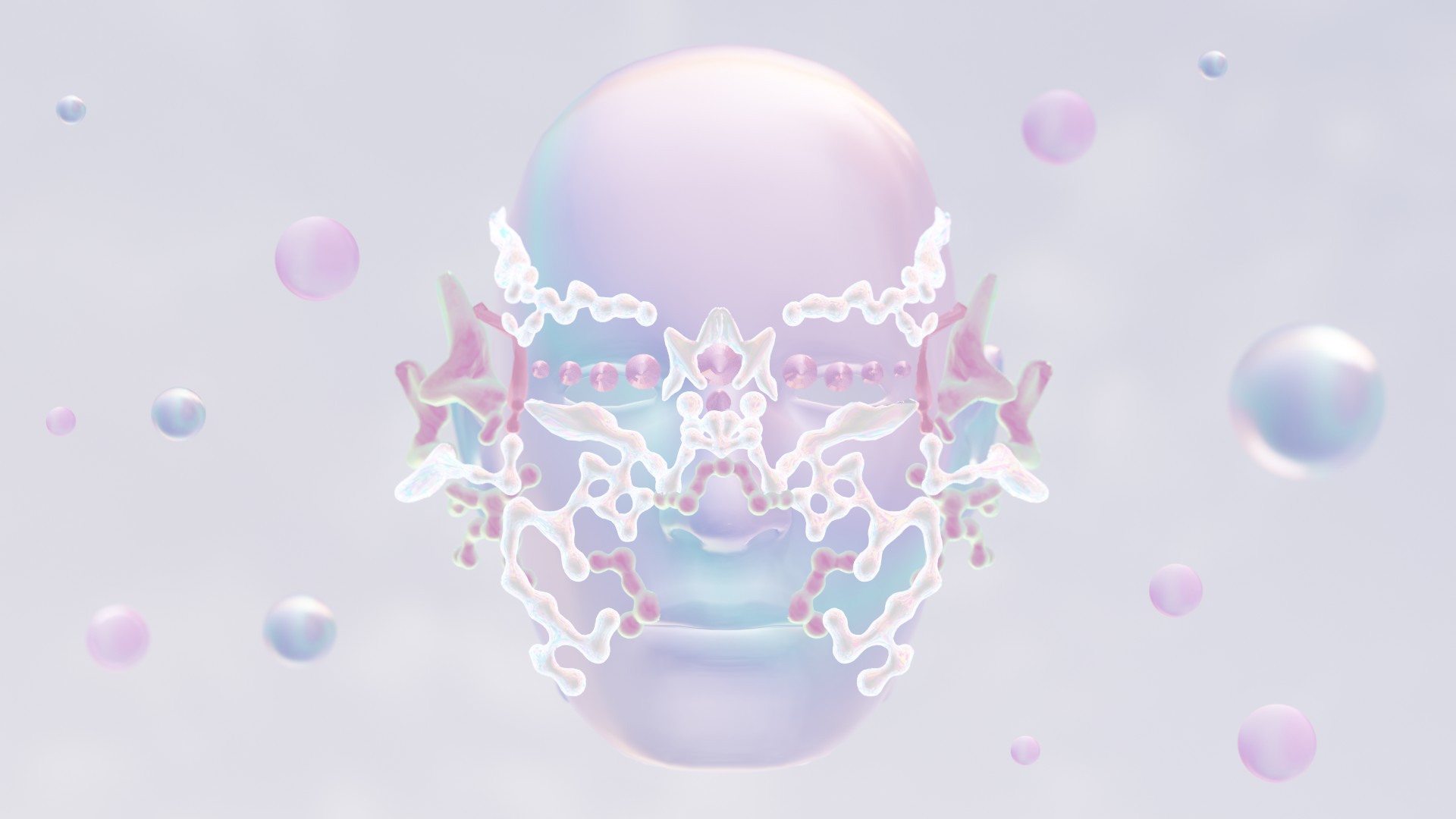
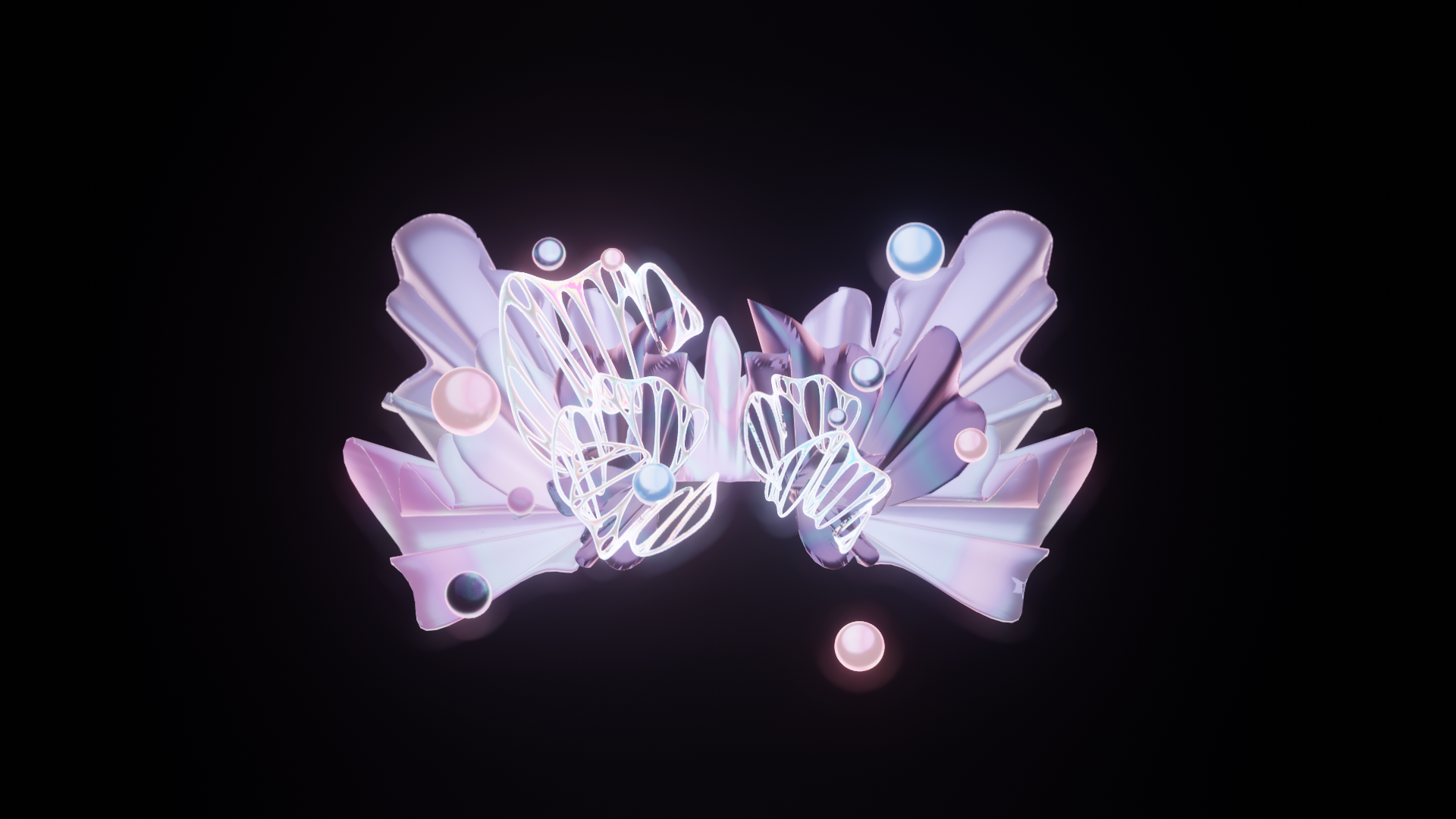
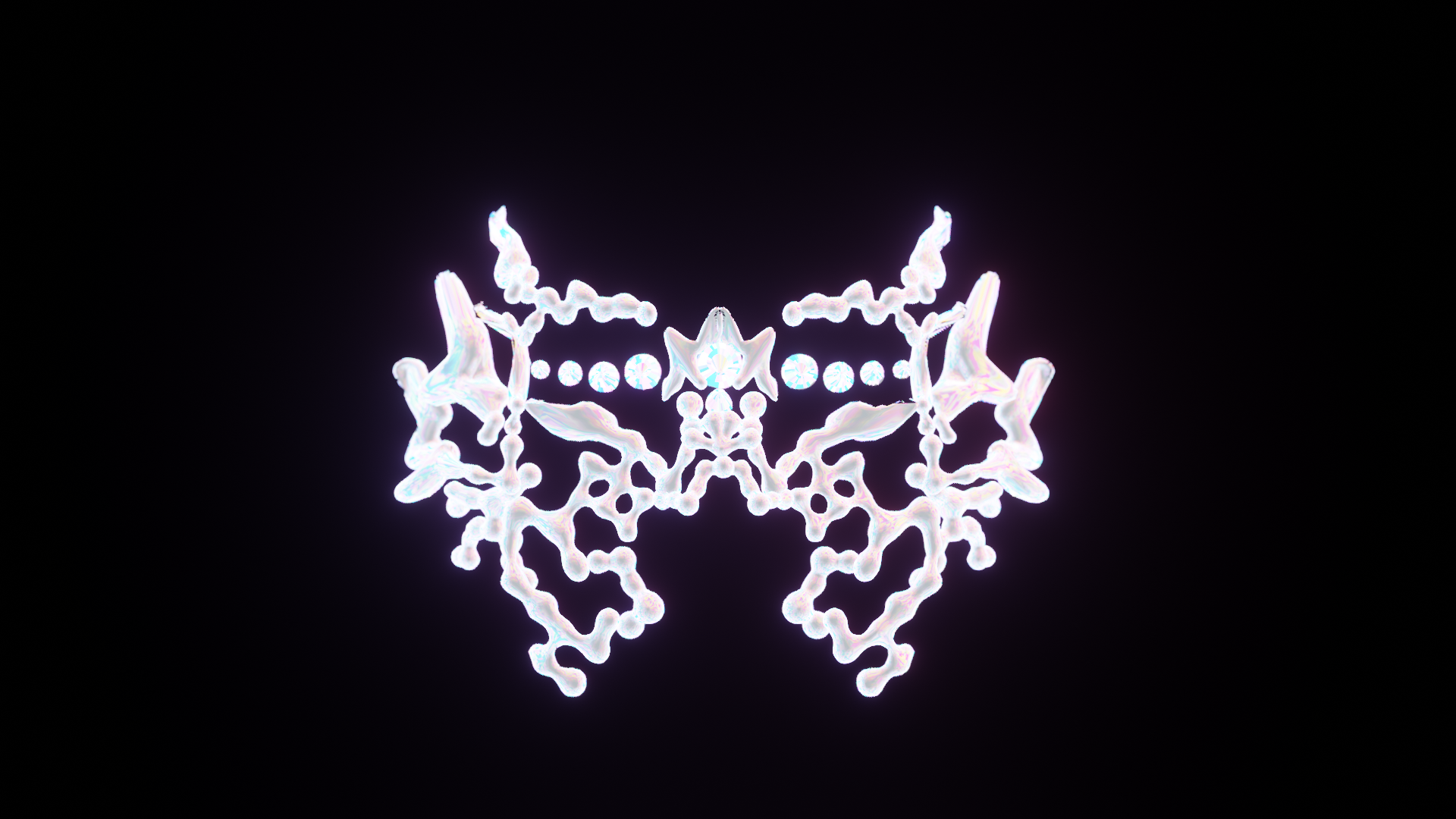
Building the harmony between the digital and organic anatomy, Pearlescent is a set of masks that explores the human connection between digital identities and nature. The masks are crafted using generative modeling techniques, drawing inspiration from elements found in nature, including elements such as vascular networks, muscular structures, fungi, and various plant motifs. The underlying objective of this work is to examine the personal narratives that emerge from the interaction between humans and data, particularly in the context of the increasing digitization of individuals in an era characterized by extensive data collection practices.
Concept
The body as data
Biometric systems have made a quiet trade: they turn the most personal things about you — your face, your fingerprint, the rhythm of your gait — into structured data that can be stored, matched, and sold. The body becomes legible to systems that you have no control over. Pearlescent starts from that premise and asks what it feels like to stand inside it.
The masks are grown from real microbial growth patterns — bacterial and fungal colony data of the same type used in biometric research. The same data structures that power surveillance systems become the physical surface of the face. What looks organic is also algorithmic. What feels intimate has already been extracted.
The installation does not argue against biometrics. It tries to make the abstraction material. To give the viewer something to stand in front of and feel the weight of, rather than scroll past.
What happens when the thing that makes you you becomes a data point someone else owns?
Materials & Method
From organism to object
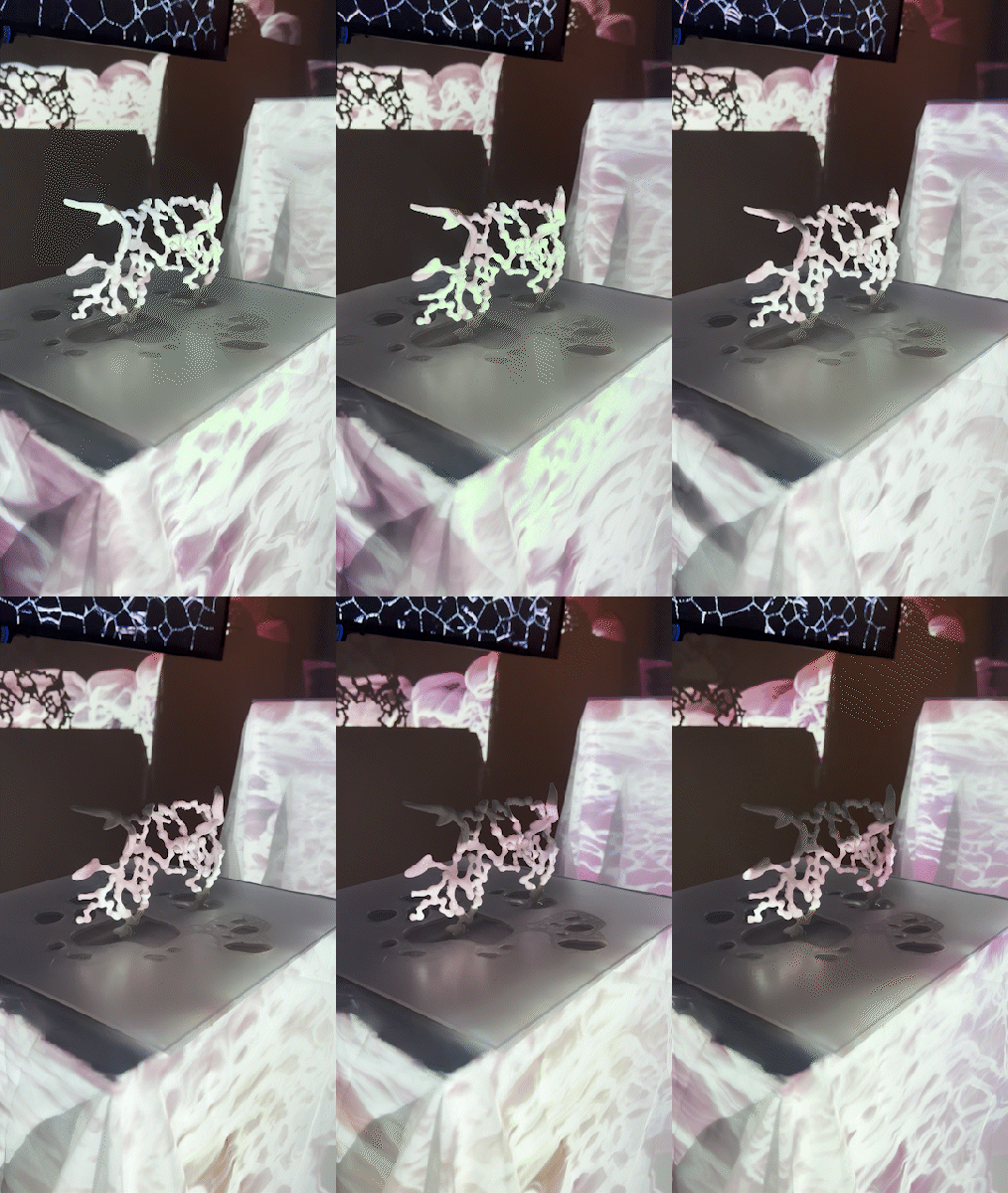
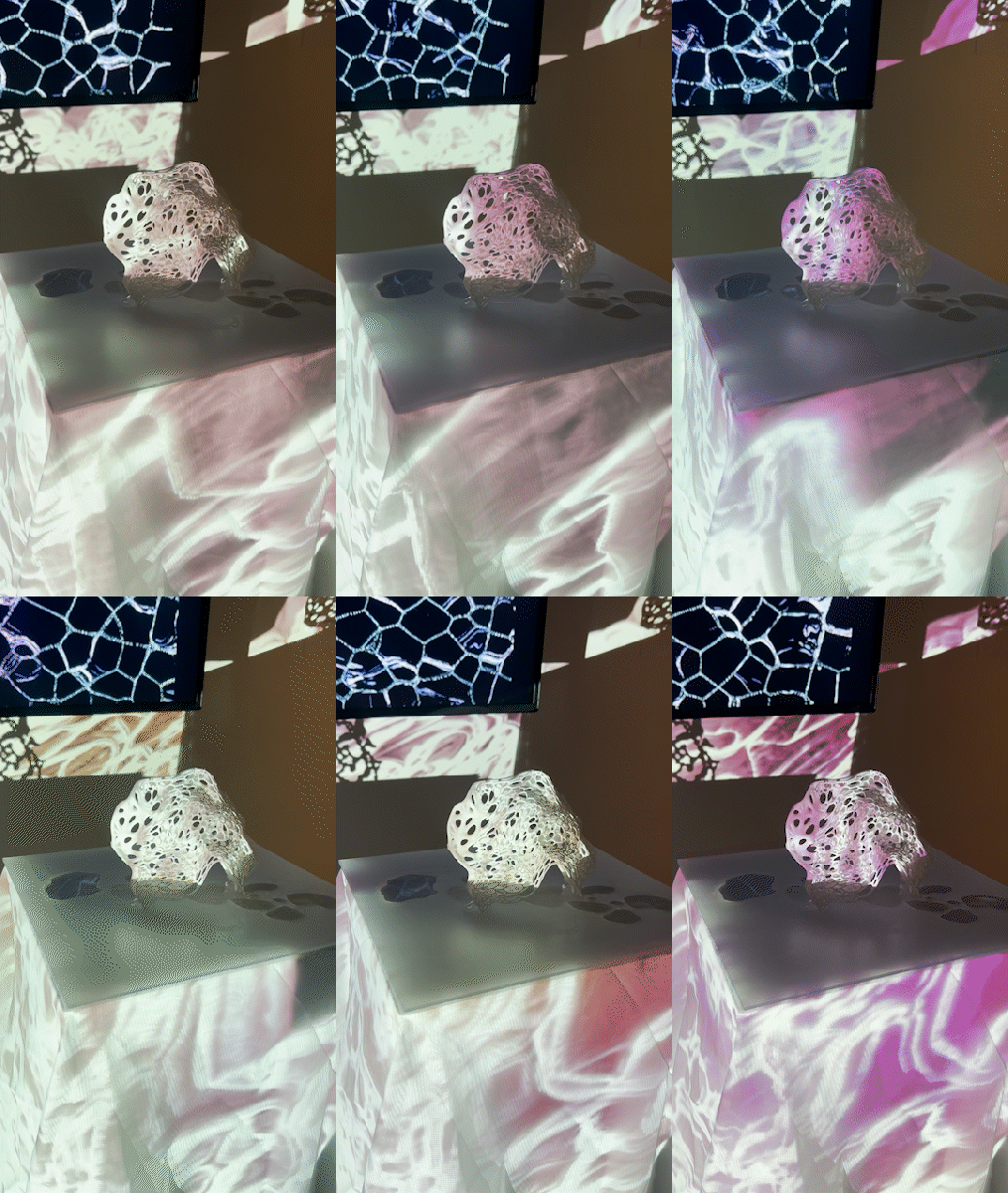
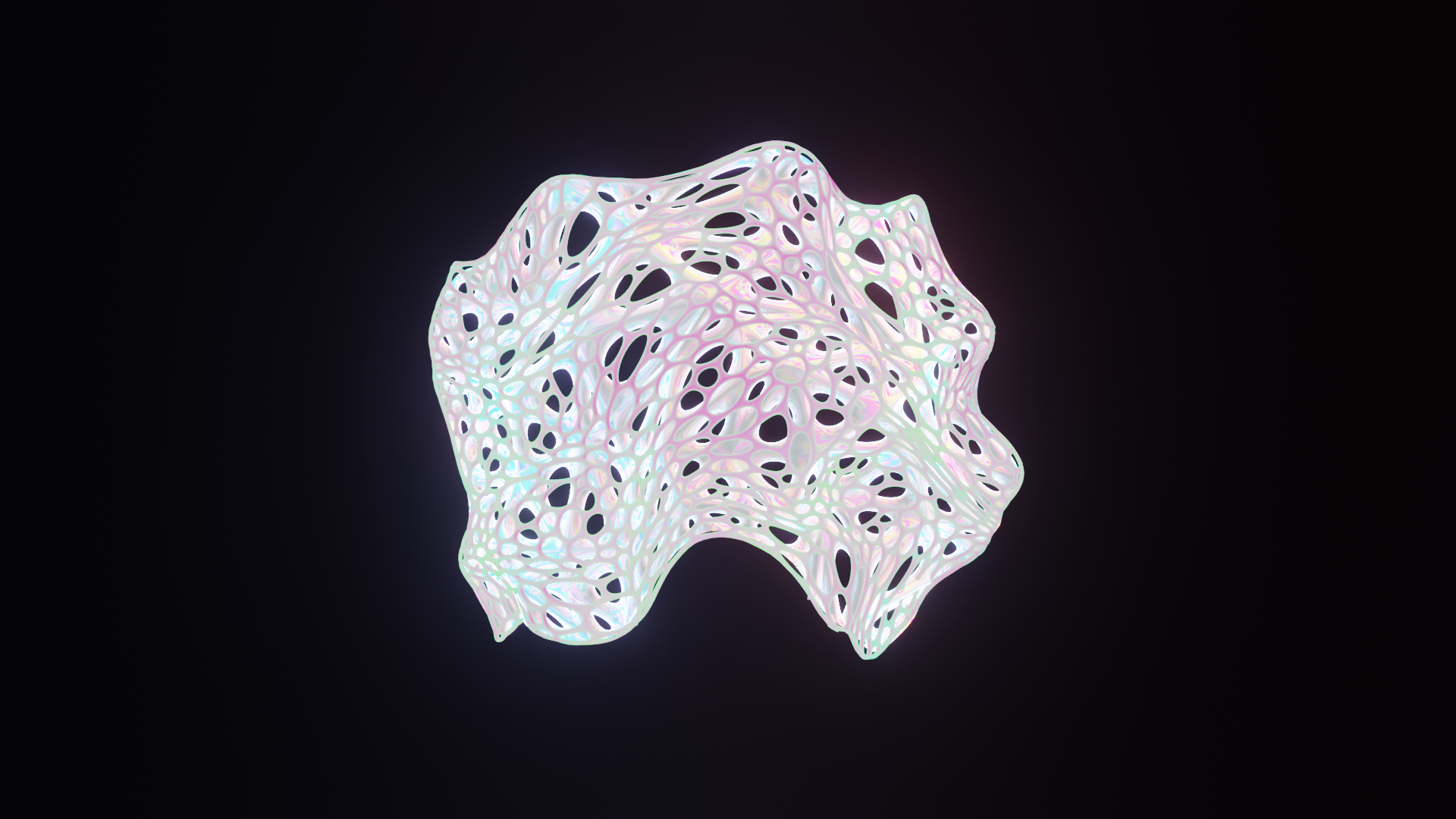
The source data came from public microbiology datasets. The masks are inspired by the time-lapse growth pattern recordings of bacterial colonies and mycelial networks. I wrote scripts to extract contour data from each growth frame and convert the density gradients into 3D surface meshes. The topology of each mask is a literal translation of organism behavior: ridges where colonies clustered, voids where growth stalled.
The printing scale of the mask was set at 1:1 with a human face so the masks read as wearable, not decorative. The material — a matte white resin — was chosen to read as both clinical and skeletal, a surface that feels caught between medical specimen and artifact. Finish was left rough at the edges where the growth data produced irregular geometry, preserving evidence of the source material's nature.
Sound & Visual
An environment that responds
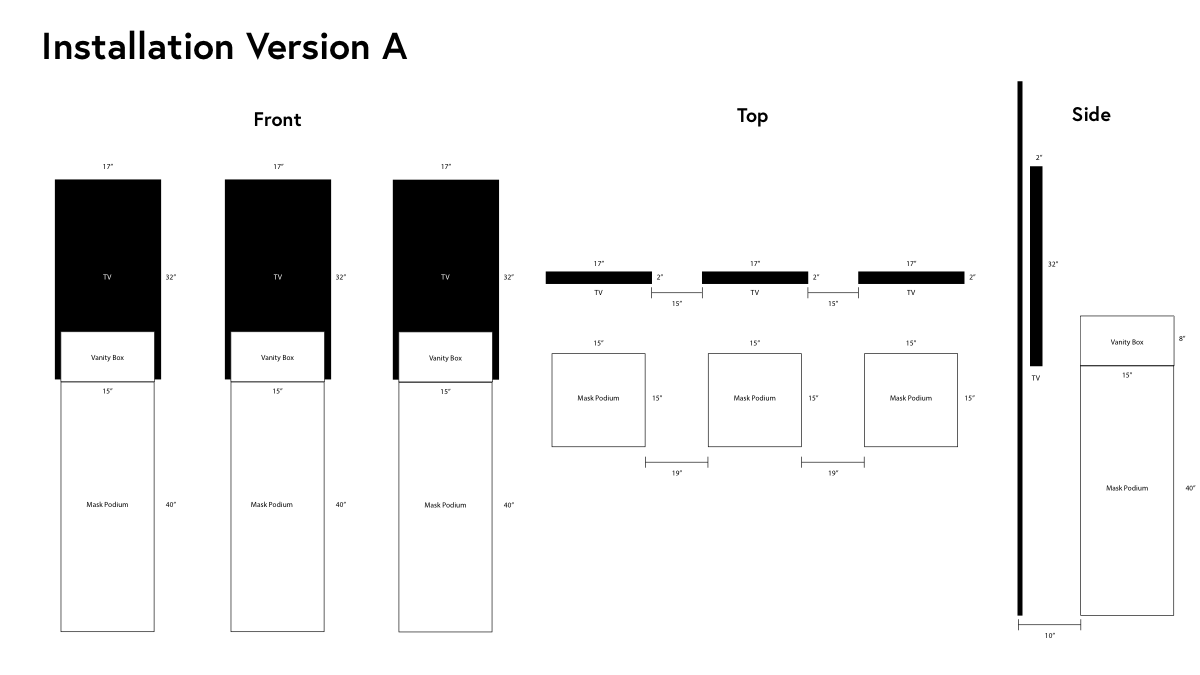
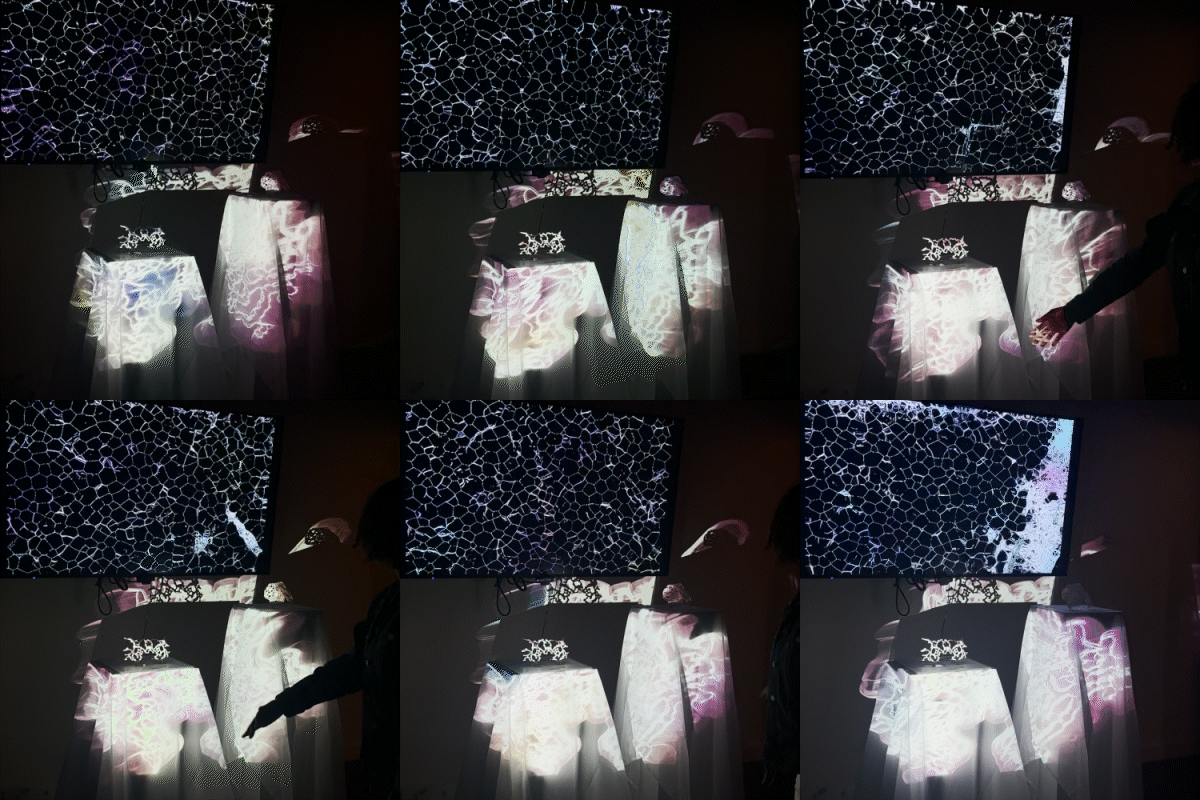
The visual system was built in TouchDesigner and responds to viewer presence via a depth sensor positioned at the gallery entrance. As a viewer approaches the masks, particle systems mapped onto the wall behind them begin to shift — density increases, motion slows, and patterns that looked random reorganize into structures that echo the growth data embedded in the mask surfaces. The viewer's proximity is the input. The system does not acknowledge them directly, but it notices them.
The soundscape was composed in Ableton and plays continuously through directional speakers aimed at the installation rather than the audience. The intention was to make the sound feel like it was coming from the objects, not the room. Textures were sourced from recordings of real fermentation processes — bubbling, spreading, slow metabolic activity — pitched and layered into something that sits just below music. It evolves over a 22-minute cycle, long enough that a viewer who stays will hear it change, but not long enough to feel like performance.
Exhibition
Showing discomfort in a gallery
The piece was shown at the Parsons MFA thesis exhibition. The conversations it started were not the ones I expected. Viewers did not talk much about surveillance or policy. They talked about recognition — about how strange it was to see something that looked like a face but was made of something they associated with disease or decay. The discomfort came from the material, not the argument, which was the right outcome. When the concept is legible only as a concept, it stays at a distance. When it unsettles the body, it lands.
What I learned designing an experience rather than a product was that the absence of a task is itself a design decision. There was nothing for viewers to do, no interface to complete, no clear instruction. Some people stayed for ten minutes. Some walked through in thirty seconds. The work had to be stable enough to hold both. That required thinking about pacing, threshold, and legibility in ways that product work rarely demands — and it changed how I think about designing for attention rather than just for action.